


Quality Inspection in Construction: Process and Management
Quality inspection in construction is a systematic process aimed at ensuring that the work conforms to the specified standards, regulations, and client expectations. Here’s an overview of how quality inspection is typically conducted and managed:
- Planning and Preparation:
- Inspection Test Plans (ITPs): A detailed plan outlining the inspection requirements for each phase of the construction process. It specifies what needs to be inspected, the criteria for acceptance, and the methods to be used.
- Regulatory and Compliance Requirements: Understanding and documenting all relevant codes, standards, and regulations that the project must comply with.
- Inspection Procedures:
- Pre-Construction Inspections:Initial assessments to ensure site readiness, including checks on materials, equipment, and initial conditions.
- In-Progress Inspections: Ongoing inspections conducted at various stages of
construction to verify that work is proceeding according to plan. These inspections might
include:
- Structural Inspections: Checking the integrity of foundations, frames, and other structural elements.
- Mechanical, Electrical, and Plumbing (MEP) Inspections: Verifying that mechanical, electrical, and plumbing installations meet the design specifications and standards.
- Safety Inspections: Ensuring that safety protocols are followed to protect workers and the public.
- Documentation and Reporting:
- Inspection Reports: Detailed reports documenting the findings of each inspection.
These reports typically include:
- Observations: Detailed notes on what was inspected and the condition observed.
- Non-Conformance Reports (NCRs): Documentation of any deviations from the specified standards or plans, along with recommendations for corrective action.
- Photographic Evidence: Photos of inspected areas and any identified issues.
- Request for Inspection (RFI): Formal requests to conduct inspections at various stages. RFIs ensure that the appropriate personnel are present and that the inspection is carried out according to the ITP.
- Inspection Reports: Detailed reports documenting the findings of each inspection.
These reports typically include:
- Non-Conformance Management: Identifying and documenting non-conforming work, determining the cause, and implementing corrective actions.
- Corrective Actions: Steps taken to rectify non-conforming work, including rework, repairs, or adjustments to ensure compliance.
- Follow-Up Inspections: Re-inspecting areas where non-conformance was identified to ensure that corrective actions have been effective.
- Stakeholder Coordination: Regular communication among project managers, quality inspectors, subcontractors, and clients to ensure everyone is informed about inspection schedules, findings, and required actions.
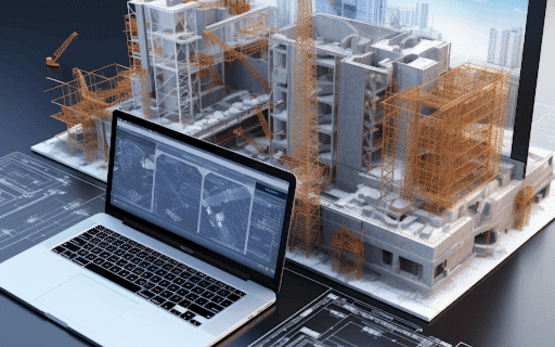
- Digital Platforms: Using cloud-based software to manage inspections, track issues, and facilitate real-time communication. This enhances transparency and ensures that all stakeholders have access to up-to-date information.
- Final Quality Inspections: Comprehensive inspections at the completion of construction to ensure that the entire project meets the required standards and specifications.
- Handover Documentation: Compiling all inspection reports, compliance certificates, and as-built documentation to provide a complete record of quality assurance for the client
- Client Sign-Off: Obtaining the client’s approval that all quality standards have been met and the project is ready for use or occupancy.
Conclusion
Quality inspection and management in construction are critical for ensuring that projects are completed safely, on time, and to the required standards. By following a structured process involving detailed planning, thorough inspections, meticulous documentation, and effective communication, construction companies can maintain high-quality standards and achieve client satisfaction. Leveraging digital tools and software can further enhance the efficiency and effectiveness of quality inspections, ensuring that all aspects of the construction process are monitored and managed accurately.